
Sound is a form of thinking.
Every Wisegodman record starts as a question before it becomes a song.
The Artist
Wisegodman makes music at the crossroads of hip-hop's rhythm, soul's emotional weight, and philosophy's habit of asking "why." The name is a stance as much as an identity — an artist trying to build wisdom into the beat, not just bars on top of it.
The catalog moves between hard-hitting rhythm and slow, reflective soul, but the throughline never changes: music should leave you thinking, feeling, or both.
The Philosophy
Art, at its best, is a mirror and a map — it shows you where you are and points at where you could go. Wisegodman treats every track like a small piece of that: a groove you can move to, and a thought you can sit with.
Hip-hop gives it structure and honesty. Soul gives it warmth and vulnerability. Philosophy gives it purpose — the insistence that a song can be entertainment and inquiry at the same time.
Where music began
Music is older than writing, older than the wheel — some researchers argue it's older than spoken language itself. Long before anyone could write a word down, humans were already keeping time: clapping, stomping, humming, calling across distance. The oldest confirmed instruments we've found — flutes carved from bird bone and mammoth ivory in what's now Germany — are somewhere around 40,000 years old, made by people who hadn't yet invented the city, the calendar, or the plow. Wanting to make sound on purpose may be one of the oldest human instincts there is.
Voice & body
The first instrument was never separate from the person playing it. A clap, a stomp, a hum, a chant passed voice to voice — rhythm and melody made with nothing but breath and skin, long before anyone shaped an object to do it for them.
Skins, strings & wood
Drums likely began as hollow logs or gourds covered in stretched hide. Many historians believe the first stringed instruments borrowed their shape directly from the hunting bow — someone plucked the string and heard something worth keeping.
Breath
Wind instruments are among the oldest objects ever found built for a single purpose: sound. A hollow bone, a reed, a shell — turn it the right way and breath becomes pitch. Some of the flutes we've dug up predate settled civilization entirely.
A pact with something larger
For most of human history, music wasn't entertainment first — it was a way of speaking to what couldn't be seen. Shamans drummed to reach trance. Work songs kept bodies moving through labor no one could do alone. Griots in West Africa carried a people's entire history in melody, one generation handing it to the next by ear, not by page. Gregorian monks chanted as a form of prayer. Sufi qawwali singers still build toward the same trance today.
Across cultures that never met each other, the same idea kept surfacing on its own: sound could do something words alone couldn't. Call it ritual, call it a pact, call it the oldest technology for reaching past yourself — music has always been asked to carry more than just melody.
The thread that never broke
That thread runs in a straight line to the music Wisegodman makes today. Spirituals sung in the fields became gospel sung in the church. Gospel became soul. Soul, blues, and the same call-and-response DNA became the backbone of hip-hop — a music built, like the oldest chants, on rhythm as survival and voice as testimony.
Every genre changes its clothes. The reason people still make music at 2am with nothing but a voice and a beat hasn't changed in 40,000 years.
The math beneath the music
Around 2,500 years ago, Pythagoras is said to have plucked a string, then stopped it exactly halfway and plucked it again — and heard the same note, one octave higher. Divide the string into simpler ratios — 3:2, 4:3 — and the intervals that emerge are the same ones your ear still calls pleasing today. Harmony, it turns out, is partly arithmetic wearing a disguise.
Centuries later, composers and theorists started noticing something stranger: the golden ratio (roughly 1.618, the same proportion found in shells, galaxies, and flower petals) showing up in the structure of certain pieces — a climax landing almost exactly where that ratio predicts it should. Some of it is likely real intention: Bartók and Debussy are both cited as composers who built sections of their work around it deliberately. Some of it is almost certainly pattern-matching after the fact — musicologists still argue about where the line is. Either way, it points at something worth sitting with: the pieces that move us most often carry a hidden architecture, whether or not the composer was doing the math on purpose.
432 vs 440 — the Hertz question
Before the 20th century, there was no single "correct" pitch. An orchestra's A could sit anywhere from the low 400s to the high 440s depending on the country, the era, even the instrument maker — Baroque ensembles commonly tuned noticeably lower than orchestras do today. It wasn't until 1939, at an international standards conference in London, that A = 440Hz became the agreed global default, mostly for practical reasons: so instruments built in different countries could actually play together.
In the decades since, some musicians and listeners have gravitated back toward tuning at 432Hz instead, describing it as warmer, rounder, easier to sit inside. That's a real and honest reaction worth respecting — but it's a matter of feeling and cultural resonance, not settled acoustic science; claims that one frequency is objectively more "natural" or healing don't hold up to rigorous testing. Wisegodman treats it the way he treats most inherited rules: worth understanding, never worth treating as law. The frequency serves the feeling — not the other way around.
What the music is built on
Groove first
No matter how deep the idea, the body has to move. If it doesn't groove, it doesn't ship.
Say something true
Lyrics come from lived thought, not filler. If a line doesn't mean something, it gets cut.
Genre is a tool, not a rule
Hip-hop and soul are the foundation, not the ceiling. Whatever the song needs, it gets.
Testimonies through time
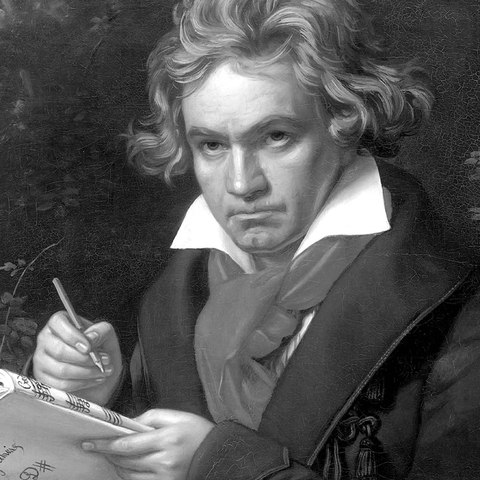
Music is a higher revelation than all wisdom and philosophy.— Ludwig van Beethoven
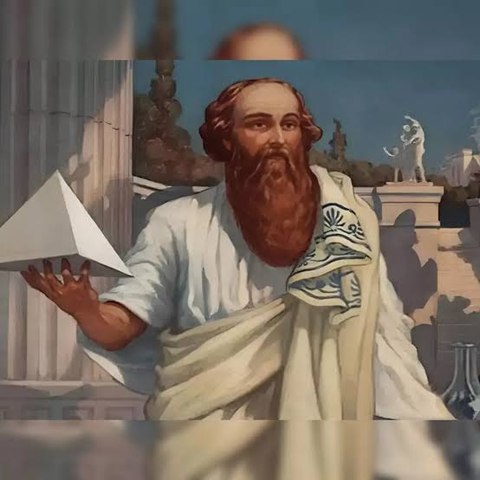
There is geometry in the humming of the strings, there is music in the spacing of the spheres.— attributed to Pythagoras
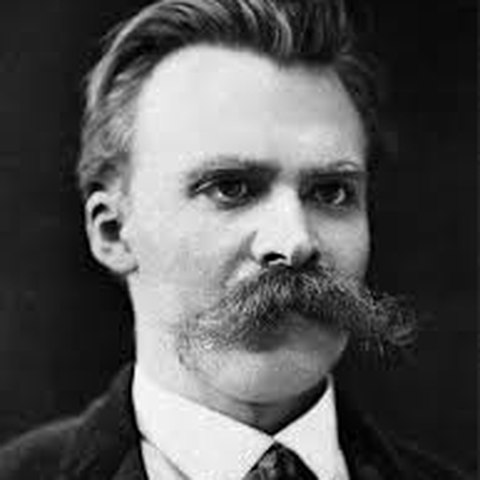
Without music, life would be a mistake.— Friedrich Nietzsche
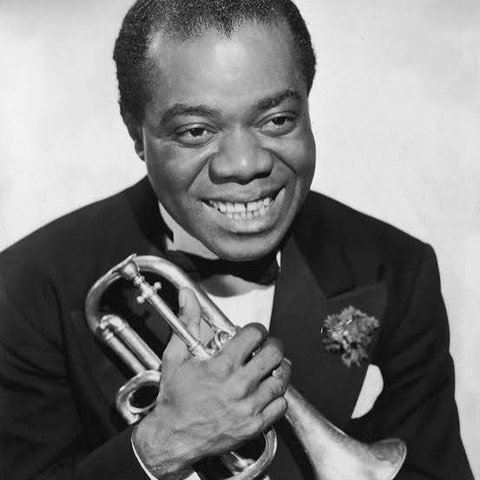
All music is folk music. I ain't never heard a horse sing a song.— Louis Armstrong
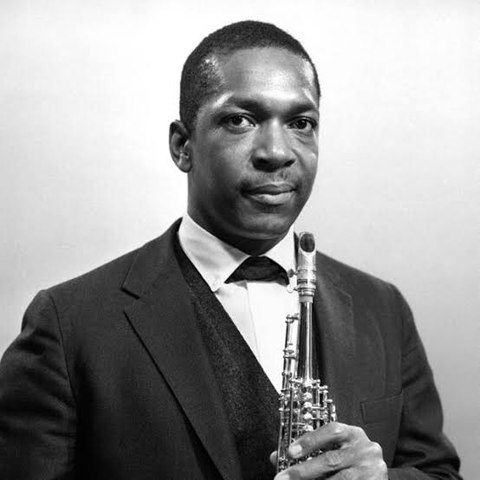
My music is the spiritual expression of what I am.— John Coltrane
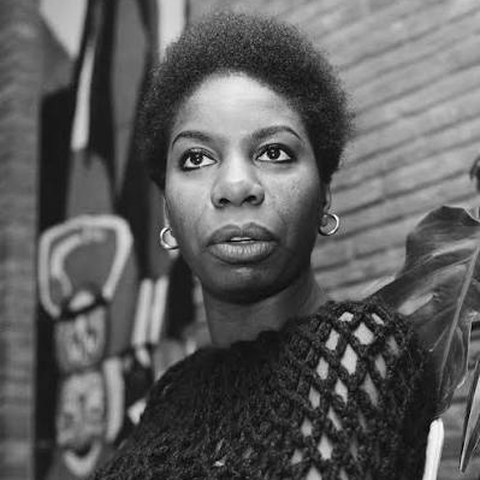
It is an artist's duty to reflect the times.— Nina Simone